Faq
FAQ
FREQUENTLY ASKED QUESTIONS
A cesspit is simply a holding tank without an outlet and will require emptying on a frequent basis depending on usage. Cesspits are a solution for properties without any mains drainage and where the discharge of treated effluent is not possible due to unsuitable ground conditions, or where infrequent use, such as for a holiday home, would prevent the use of a septic tank or packaged sewage treatment plant.
Maintenance: Check the level frequently and have the tank emptied before it gets full. You may want us to install a high-level alarm system to warn you when the tank is nearly full and you can book us to empty it before it overflows!
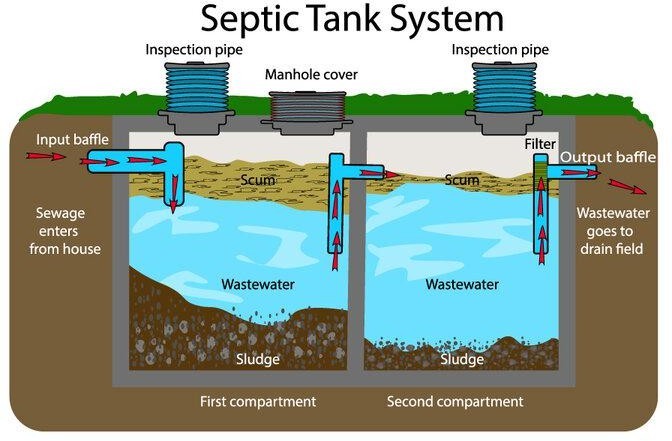
- A septic tank is a holding tank designed to receive sewage and is primarily a liquid/solid separation system which holds the content for a period and then releases a clarified effluent through an outlet to soak away. An anaerobic bacterial environment develops in the tank which decomposes or mineralizes the waste in the tank. As the name septic implies, the sewage
entering the tank becomes septic. It is possible that sometimes smells will be detected from somewhere in the drainage system. Some septic tanks may have an electric pump installed after the system to pump the effluent away.
- Maintenance: Have the tank emptied on a regular Make sure the outlet has a t-piece (dipper pipe) installed to stop solid debris going down to the soakaway and eventually blocking it up. Do not connect any rain or surface water drainage into the tank. Have the pump (if fitted) checked & cleaned on a regular basis to ensure good operation.
- On average your septic tank needs emptying once a year, however, this depends upon the tank size and usage. In some cases it may need to be emptied more regularly - If you are unsure, contact a member of our team
and we can advise you the best plan of action. Call us on 0
- In short, you are fully responsible for ensuring your tank is emptied and serviced.
- A sewage treatment plant cleans and removes contaminants from domestic sewage using a combination of physical and biological processes. Typical applications for a treatment plant include single dwellings, small communities or developments, refurbishments and other rural dwellings
without any other mains drainage. Sewage treatment plants are generally installed underground and will have an electrical supply. Sewage treatment plants require emptying and also servicing on a frequent basis depending upon the manufacturer’s instructions.
- Maintenance: Have the system emptied and serviced as per the manufacturer’s instructions. Avoid excessive usage of household detergents, bleaches or other chemicals that upset the biological process.